
Plan the day around the least-rested traveler
A route planner can connect two points; it cannot tell you when a child will need a break or when the driver will stop concentrating well. Decide where you could finish the day early, and identify a realistic overnight alternative before setting off. Treat an arrival target as a preference, not a reason to drive through fatigue.
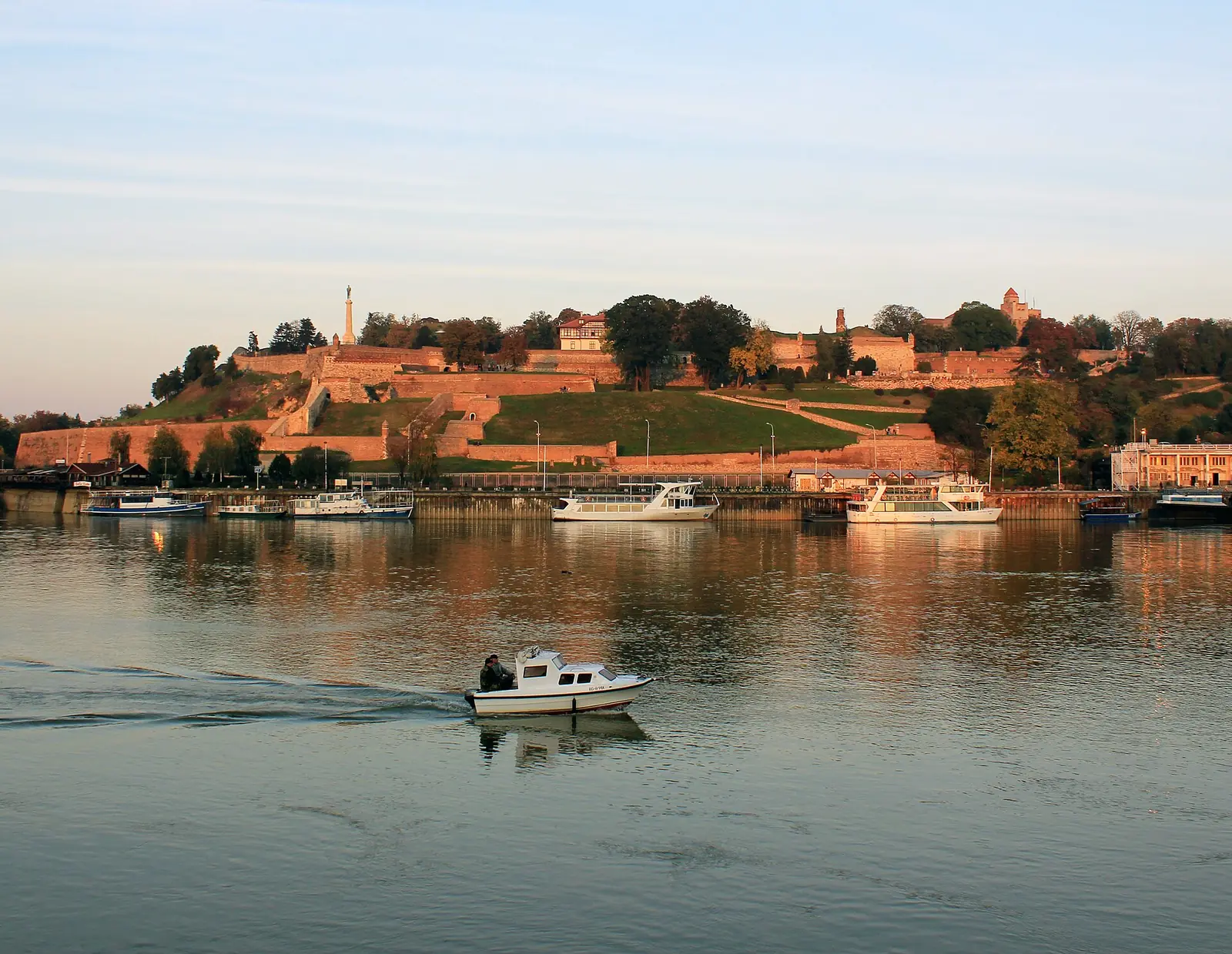
Build the itinerary around a small number of meaningful stops. A fortress walk or a lakeside pause works best when it replaces another break, rather than being added to an already crowded schedule. Keep everyone involved in choosing one priority for the day.
Make a document folder
Check entry requirements for every traveler and every transit country using official sources. Nationality, residence status and the purpose of travel can affect what is needed. A rule that applies to one passenger may not apply to another. Keep original documents accessible and retain secure backup copies separately.
Confirm your driving licence, vehicle registration, insurance coverage and any required permission to use a borrowed, financed or rented car abroad. Ask the insurer or vehicle provider directly about the actual countries and any ferry plans. Do not rely on a general statement that a policy covers “Europe”.
- Keep passports and vehicle papers within reach at borders.
- Confirm child travel-document requirements for your circumstances.
- Save accommodation details and useful contacts offline.
- Check official road and entry information again close to departure.
Pack an overnight bag separately
A compact bag for the first stop avoids unpacking the entire car at the end of a tiring day. Include changes of clothes, toiletries and the items children need to settle. Put water and snacks where a passenger can reach them safely; the driver should not search bags while moving.
Carry your usual prescribed medication in appropriate packaging and check applicable travel rules with qualified sources. Keep temperature-sensitive items out of direct sun. The practical aim is access and organization, not a suitcase full of things you are unlikely to use.
Agree on a break routine
Use designated rest areas and lawful parking, and make a short check before everyone leaves the car. Decide who is supervising children and pets. Before restarting, check seat restraints, loose luggage and the next route instruction while stationary.
Entertainment can help, but so can a simple explanation of what comes next. Tell children whether the next stop is for food, a walk or the night. Keep the plan flexible enough to turn a sightseeing stop into a rest stop when that is what the group needs.
Before the final border approach
Refill everyday supplies before joining a queue, keep documents together and check official notices. Do not choose a crossing solely because of an old social-media wait estimate. If arrival changes, inform the accommodation provider through its verified contact channel.
Use our Gevgelija stopover guide to compare staying before the border with continuing into Greece. The right choice depends on how the driver feels and the flexibility of the next booking. No attraction or reservation makes tired driving worthwhile.
Sources & planning notes
Source review: 24 October 2026. Our text is independently written; external pages provide factual context. Confirm current access, schedules and requirements with the responsible source.